For many years, the Amazon Kindle Ereader has been synonymous with digital reading. However, the world of e-readers is vast and diverse, extending far beyond Amazon’s ecosystem. A growing number of readers are seeking alternatives that offer greater flexibility, different features, or simply a break from proprietary platforms. Whether you prioritize an open ecosystem, seamless library integration, advanced note-taking capabilities, or vibrant color displays, there’s a perfect ereader waiting for you. This comprehensive guide will explore the top non-Kindle ereaders, comparing their unique technologies, features, and benefits to help you navigate the options and find the ideal device for your reading journey.
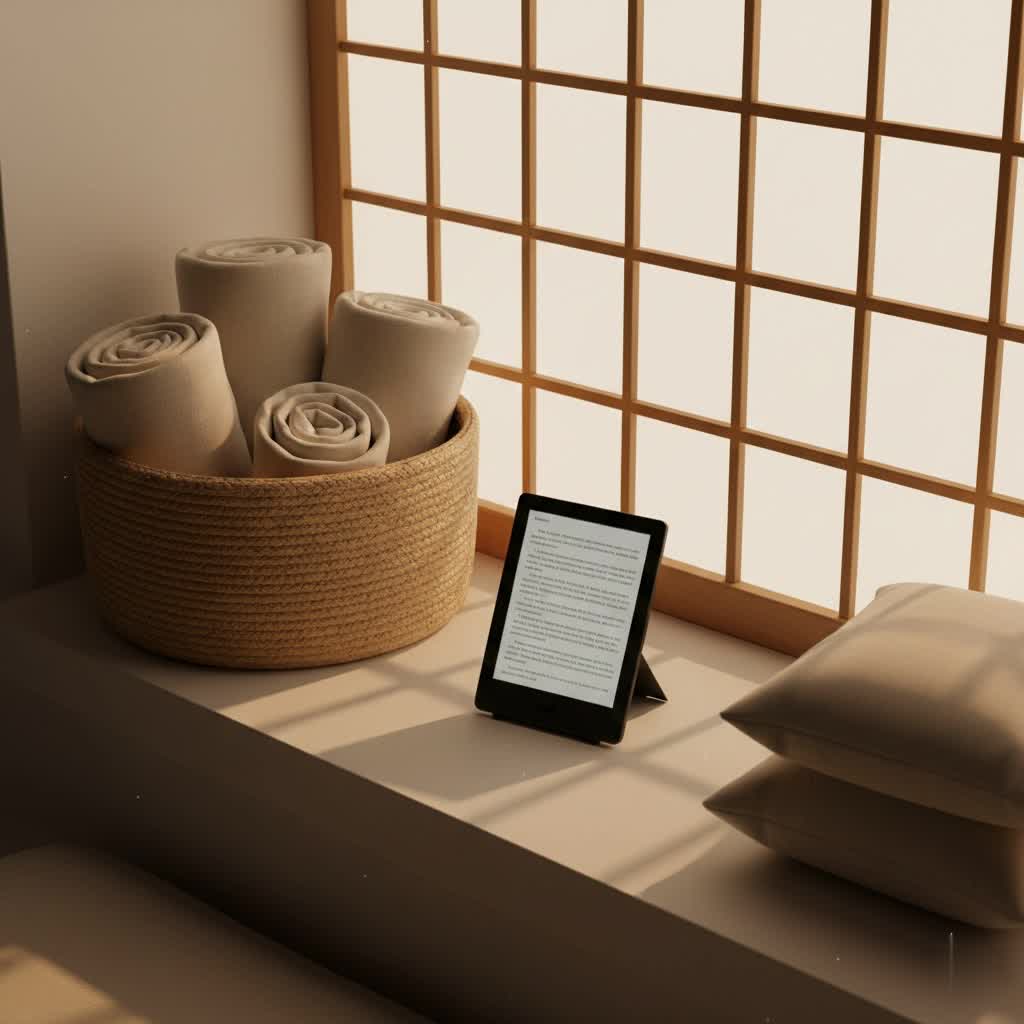
Popular Kindle E-reader Alternatives and How to Choose
The digital reading landscape has evolved significantly since the first ereader devices emerged. While Kindle initially dominated, several innovative brands have introduced compelling alternatives, each carving out a niche with distinct advantages. These devices empower users with more choices, from expansive file format support to deep integration with public libraries, moving beyond the traditional walled garden approach.
The Evolution of E-readers Beyond Kindle
|
Our Picks for the Best Kindle Ereader in 2026
As an Amazon Associate I earn from qualifying purchases.
|
||
| Num | Product | Action |
|---|---|---|
| 1 | Amazon Kindle 16 GB (newest model) - Lightest and most compact Kindle, now with faster page turns, and higher contrast ratio, for an enhanced reading experience - Black |

|
| 2 | Amazon Kindle Paperwhite Signature Edition 32GB (newest model) – 20% faster with auto-adjusting front light, wireless charging, and weeks of battery life – Metallic Jade |
|
| 3 | Amazon Kindle 16 GB (newest model) - Lightest and most compact Kindle, now with faster page turns, and higher contrast ratio, for an enhanced reading experience - Matcha |
|
| 4 | Amazon Kindle 16 GB (newest model) - Lightest and most compact Kindle, now with faster page turns, and higher contrast ratio, for an enhanced reading experience - Black + 3 Months of Kindle Unlimited (with auto-renewal) |
|
| 5 | Amazon Kindle Paperwhite 16GB (newest model) – 20% faster, with new 7" glare-free display and weeks of battery life – Jade + 3 Months of Kindle Unlimited (with auto-renewal) |
|
| 6 | Amazon Kindle Colorsoft 16 GB (newest model) – With paper-like color display that brings stories to life – No Ads – Black |
|
| 7 | Amazon Kindle Paperwhite 16GB (newest model) – 20% faster, with new 7" glare-free display and weeks of battery life – Raspberry + 3 Months of Kindle Unlimited (with auto-renewal) |
|
| 8 | Amazon Kindle 16 GB (newest model) - Lightest and most compact Kindle, now with faster page turns, and higher contrast ratio, for an enhanced reading experience - Matcha + 3 Months of Kindle Unlimited (with auto-renewal) |
|
| 9 | Amazon Kindle Paperwhite 16GB (newest model) – 20% faster, with new 7" glare-free display and weeks of battery life – Black |
|
| 10 | Amazon Kindle Paperwhite 16GB (newest model) – 20% faster, with new 7" glare-free display and weeks of battery life – Black + 3 Months of Kindle Unlimited (with auto-renewal) |
|
The journey of e-readers began with monochrome screens, aiming to replicate the comfortable experience of reading print on paper. Early devices, including the original Kindle, laid the groundwork for a new era of portable literature. Over the years, advancements in E-Ink technology have been pivotal, leading to sharper text, faster page turns, and improved front-lighting systems. The desire for more open platforms and specialized features spurred the growth of brands like Kobo, Onyx Boox, and PocketBook, which pushed innovations such as wider format compatibility, public library partnerships, and eventually, color E-Ink displays. These developments have transformed e-readers from simple digital book-holders into versatile tools for a diverse range of reading and productivity needs.
Unique Technologies in Non-Kindle E-readers
Non-Kindle ereaders differentiate themselves through a variety of technologies designed to enhance the reading experience. At their core is the E-Ink display, which mimics physical paper, offering excellent readability and minimal eye strain compared to traditional backlit screens. Many advanced models now feature ComfortLight Pro or similar warm lighting systems, allowing users to adjust color temperature for comfortable reading at any time of day, reducing blue light exposure.
Beyond the display, innovation extends to software and hardware. Many alternatives boast superior integration with public library services like OverDrive and Libby, making it incredibly easy to borrow ebooks directly from your device. Open file format support, particularly for EPUB, is a significant advantage, freeing users from a single vendor’s ecosystem. Features like Pocket integration allow saving web articles for offline reading. For those needing more versatility, Android-based ereaders from brands like Onyx Boox offer the ability to install various third-party apps, transforming the ereader into a more flexible e-note device. Furthermore, physical page-turn buttons, ergonomic designs, and stylus support for annotation are common highlights in this competitive market.
Comparing Current Non-Kindle E-reader Lines
When looking beyond Kindle, several prominent brands stand out, each with its own philosophy and product lineup.
Kobo E-readers: Rakuten Kobo is perhaps the most direct and popular alternative. Kobo offers a range of devices, from the compact Clara series to the advanced Libra and Elipsa lines. They are renowned for their open approach to ebook formats, excellent OverDrive integration for library books, and often include physical page-turn buttons. Newer models like the Kobo Libra Colour and Clara Colour also bring vibrant E-Ink displays to the forefront.
Onyx Boox E-readers: These devices run on the Android operating system, providing unparalleled flexibility. Users can install apps like Kindle, Kobo, and Libby directly from the Google Play Store, making them highly versatile for accessing different content ecosystems. Onyx Boox devices often come with larger screens and stylus support, catering to users who need advanced note-taking and PDF annotation capabilities.
PocketBook E-readers: PocketBook champions an open ecosystem with extensive file format support, including EPUB, PDF, and even audiobooks. These devices are ideal for readers who prefer to manage their own digital library and avoid vendor lock-in, allowing easy transfer of books from multiple sources. They are known for their simplicity and robustness.
Nook E-readers: Barnes & Noble’s Nook ereaders continue to cater to customers loyal to the B&N bookstore. Models like the Nook GlowLight typically feature physical page-turn buttons and a straightforward reading experience, though their ecosystem is more closed compared to Kobo or PocketBook.
reMarkable E-note Devices: While often classified separately as e-note tablets, reMarkable devices (such as the reMarkable 2 and Paper Pro) are worth considering for those whose primary need is handwriting, sketching, and annotating PDFs. They offer a highly focused, distraction-free digital paper experience, though their ebook reading features are less comprehensive than dedicated ereaders.
Detailed Comparison Table of Key Non-Kindle E-readers
To provide a clearer overview, here’s a comparison of popular non-Kindle ereaders and their key specifications:
| Feature | Kobo Clara BW/Colour | Kobo Libra Colour/2E | Onyx Boox (e.g., Go Color 7/Palma 2) | PocketBook Era/Verse Pro | reMarkable 2/Paper Pro |
|---|---|---|---|---|---|
| Screen Size | 6-7 inches | 7-8 inches | 6-10.3 inches | 6-7.8 inches | 10.3-11.8 inches |
| Display Type | B&W / Color E-Ink (Kaleido 3) | B&W / Color E-Ink (Kaleido 3) | B&W / Color E-Ink (Kaleido 3/Carta) | B&W / Color E-Ink | B&W E-Ink (note focus) |
| Waterproof | Yes | Yes | Some models (e.g., Palma) | Yes | No |
| Front Light | Yes (ComfortLight) | Yes (ComfortLight Pro) | Yes (with adjustable color temp) | Yes (with adjustable color temp) | No |
| Storage | 16GB | 32GB | 16GB-64GB | 16GB-64GB | 8GB-128GB |
| Stylus Support | No | Yes (some models, optional) | Yes (most models) | No (some models) | Yes (primary feature) |
| Ecosystem | Kobo Store, OverDrive, Pocket | Kobo Store, OverDrive, Pocket | Open Android (Google Play access) | Open formats, local bookstores | reMarkable Cloud |
| Library Access | Excellent (OverDrive) | Excellent (OverDrive) | Excellent (Libby app) | Good (via EPUB/DRM) | Limited |
| Price | Mid-range ($120-$170) | Mid-High ($180-$250) | High ($270-$700+) | Mid-range ($150-$250) | High ($300-$700+) |
Guide to Choosing the Right Non-Kindle E-reader
Selecting the perfect ereader involves understanding your personal reading habits and priorities.
First, identify your primary reading needs: Are you a casual fiction reader, a student annotating PDFs, or someone who enjoys graphic novels in color? This will guide your choice of screen size and display type.
Next, consider your budget. Non-Kindle ereaders range widely in price, from entry-level Kobo Clara models to premium Onyx Boox and reMarkable devices.
Prioritize key features: If seamless public library access is crucial, Kobo devices with built-in OverDrive are a strong contender. For extensive note-taking and app flexibility, an Android-based Onyx Boox might be ideal. Readers who prefer physical page-turn buttons will find them on Kobo Libra models and Nook devices. Those who value an entirely open ecosystem will appreciate PocketBook’s wide format support.
Finally, evaluate the importance of ecosystem. Do you want the freedom to buy books from multiple stores and easily sideload files, or are you comfortable with a more curated store experience? Reading reviews and comparing the latest models will provide deeper insights into real-world performance.
Where to Buy Non-Kindle E-readers
Acquiring a non-Kindle ereader is straightforward, with several reliable purchasing options. You can typically find Kobo devices directly from the Rakuten Kobo official website and through major electronics retailers like Best Buy or even sometimes on Amazon. Onyx Boox devices are available on their official website and through various online tech stores. PocketBook ereaders can be purchased from their official site and select regional distributors. For Nook devices, Barnes & Noble stores and their online platform are the primary sources. Always ensure you purchase from authorized retailers to guarantee warranty support and legitimate products. Carefully check the seller’s return and warranty policies before making a purchase.
Tips for Using and Maintaining Your E-reader
To ensure the longevity and optimal performance of your ereader, a few maintenance tips are essential. Charge your device correctly and avoid frequently letting the battery completely drain, as this can extend its overall lifespan. Protect the E-Ink screen, which can be more fragile than tablet displays; always use a protective case or cover, and clean it gently with a soft, dry cloth. Keep your software updated to benefit from the latest features, bug fixes, and performance improvements. For managing your ebook collection, powerful tools like Calibre can help organize, convert, and sideload books onto your device with ease, especially useful for non-Kindle ereaders with open file support.
Common Issues and Troubleshooting
Like any electronic device, ereaders can occasionally encounter issues. If your ereader is freezing or lagging, try a soft reset by holding down the power button for an extended period, or ensure its software is up to date. Screen glitches, such as ghosting (faint remnants of previous pages), are common with E-Ink but can often be minimized by adjusting the full-page refresh settings if available. Rapid battery drain could indicate background processes or a failing battery; try limiting Wi-Fi usage when not actively downloading, or consider a factory reset. Connectivity problems with Wi-Fi or Bluetooth can sometimes be resolved by restarting the device, forgetting and re-connecting to networks, or ensuring your router firmware is current. For persistent issues, consulting the manufacturer’s support or online forums can provide specific solutions.
In-depth Reviews of Latest Non-Kindle E-reader Models
The market for non-Kindle ereaders is vibrant, with continuous innovation. The Kobo Libra Colour and Clara Colour are standout examples, offering a compelling entry into color E-Ink, combined with Kobo’s excellent library integration and ergonomic designs. The Libra Colour, with its physical page-turn buttons and stylus support, is a strong choice for those wanting both vibrant reading and light annotation.
For users seeking an Android experience, devices like the Onyx Boox Palma 2 (a compact, phone-like ereader) and the Boox Go Color 7 offer unparalleled versatility. The Palma 2, with its responsive E-Ink screen, acts as a minimalist smartphone replacement for reading and light app use, while the Go Color 7 provides a larger color display perfect for comics and textbooks, leveraging the full power of Android.
Lastly, the reMarkable Paper Pro elevates the note-taking experience with its premium feel and exceptional writing surface. While more of an e-note device than a pure ereader, its ability to annotate PDFs and create digital notebooks with remarkable precision makes it a top choice for students and professionals who prioritize a digital paper experience.
Non-Kindle E-readers vs. Tablets
Choosing between an ereader and a tablet largely depends on your primary usage. E-readers, especially non-Kindle options, excel at providing a distraction-free reading environment with E-Ink screens that are significantly easier on the eyes, particularly during long reading sessions or in bright sunlight. Their exceptional battery life, often lasting weeks on a single charge, is another major advantage.
Tablets, in contrast, offer multimedia versatility with full-color LCD/AMOLED screens, powerful processors, and access to a vast array of apps for browsing, gaming, video streaming, and productivity. However, this comes at the cost of shorter battery life and potential eye strain from backlit displays, making them less ideal for prolonged reading. If your main goal is an immersive, comfortable, and focused reading experience, a dedicated non-Kindle ereader is generally the superior choice. If you need a device for a broad range of tasks including occasional reading, a tablet might be more suitable, though it won’t replicate the E-Ink experience.
Conclusion: Finding Your Ideal Reading Companion
The era of digital reading has matured, presenting a rich tapestry of ereader choices beyond the familiar Amazon Kindle. From the open ecosystems and superb library integration of Kobo, to the versatile Android powerhouses of Onyx Boox, and the focused note-taking excellence of reMarkable, there is a device tailored for every reader. These alternatives offer freedom from vendor lock-in, support for a wider array of file formats, and innovative features like color E-Ink and advanced annotation. By considering your budget, preferred reading content, and desired functionalities, you can confidently step outside the Kindle ecosystem and discover an ereader that truly enhances your digital reading journey. What features matter most to your ultimate reading experience?
Frequently Asked Questions
Is Kobo better than Kindle for library books?
Many users find Kobo devices superior for borrowing library books due to their seamless, built-in integration with OverDrive, which powers most public libraries. Kobo’s native support for EPUB files, a common library format, often makes the process more straightforward than with Kindle devices, which typically require specific Kindle-formatted books or using the Libby app with an Amazon account.
Can I read Amazon books on a Boox device?
Yes, you can read Amazon Kindle books on an Onyx Boox ereader. Since Onyx Boox devices run on Android and typically have access to the Google Play Store, you can download and install the official Kindle app, as well as apps for other ebook stores like Kobo and Libby, allowing for a highly versatile reading experience across multiple ecosystems.
Do non-Kindle ereaders support audiobooks?
Many non-Kindle ereaders, particularly newer models from Kobo (like the Libra 2 and Sage) and some PocketBook and Onyx Boox devices, do support audiobooks. These devices typically offer Bluetooth connectivity, allowing you to pair wireless headphones or speakers to listen to audiobooks purchased from their respective stores or sideloaded files.
Are color e-ink screens worth it?
Color E-Ink screens are a relatively new development, and their value depends on your content. They are excellent for reading graphic novels, comics, magazines, and textbooks where color enhances the experience. However, current color E-Ink technology (like Kaleido 3 or Gallery 3) might not be as vibrant or sharp as monochrome E-Ink for plain text, and devices can be more expensive. For predominantly text-based reading, a high-resolution black and white E-Ink screen often provides a superior and more cost-effective experience.
What file formats do Kobo/PocketBook support?
Kobo ereaders primarily support EPUB, EPUB3, FlePub, PDF, MOBI, JPEG, GIF, PNG, BMP, TIFF, TXT, HTML, RTF, CBZ, and CBR files. PocketBook devices are known for even broader format compatibility, typically supporting 20+ formats including EPUB, PDF, FB2, TXT, RTF, HTML, DOC, CBR, CBZ, MOBI, and often audio formats like MP3 and M4B. This wide support gives users significant flexibility in where they source their digital content.
